

Sustainability
Are tote bags sustainable?
A tote bag is only sustainable if it gets used, and used a lot. The Environment Agency found a cotton bag needs 131 uses to match the climate impact of a single-use plastic carrier bag used once. A bag someone keeps and carries for years clears that easily; a bag that sits at the back of a cupboard never does.
6 min read · Updated 24 September 2026
The numbers people quote
- uses for a cotton bag to match a single-use plastic carrier on climate impact
- 131
- Environment Agency, 2011
- uses if the plastic carrier is reused as a bin liner
- 327
- Environment Agency, 2011
- uses for a conventional cotton bag to match it on every impact measure
- 7,100
- Danish EPA, 2018
- fall in plastic carrier bag sales at the main retailers in England since 2015
- 97%+
- gov.uk
What the research actually says
The figure most often quoted in the UK comes from the Environment Agency's 2011 life cycle study of supermarket carrier bags. It asked a simple question: how many times does each kind of bag need to be used to match the climate impact of a standard, thin plastic carrier bag used once?
| Bag | Uses to match a single-use plastic carrier |
|---|---|
| Paper carrier bag | 3 |
| Thick plastic bag for life | 4 |
| Woven polypropylene bag | 11 |
| Cotton bag | 131 |
| Cotton bag, if the plastic carrier is reused as a bin liner | 327 |
Source: Environment Agency, 2011. Climate impact only.
Cotton comes out worst because it takes a lot of land, water and energy to grow the fibre and weave it into heavy fabric, so a cotton bag starts life with a much bigger footprint than a thin plastic one. It has to earn that back through use.
The Danish Environmental Protection Agency looked wider in 2018. As well as climate, it measured things like water use, pollution and ozone depletion, and asked how many uses a bag needs to match a plastic carrier on every measure at once. For a conventional cotton bag the answer was about 7,100 uses. That figure is set by whichever measure cotton does worst on, which is why it is so much higher, and why it makes for dramatic headlines.
What the studies don't say
Neither study says plastic carrier bags are the answer. They compare the impact of making and disposing of bags, and they don't count litter: the bags caught in hedges, drains and rivers that led to the carrier bag charge in the first place. Since England's charge began, carrier bag sales at the main retailers have fallen by more than 97% (gov.uk). Our carrier bag charge guide covers the rules.
What the studies do say, clearly, is that a reusable bag only pays off if it is reused. That is the part a business giving away bags can control.
How long until a bag breaks even?
Pick a bag and how often it gets used. The calculator uses the Environment Agency's figures for climate impact.
Break-even
15 months
Each dot is 2 uses.
Cotton takes the most energy to make, so its case rests on being used for years. A bag people like enough to keep does that.
Source: Environment Agency, Life cycle assessment of supermarket carrier bags (2011). Uses needed to match the climate impact of a standard single-use carrier bag used once. The study looked at climate impact; other measures such as water use give different figures.
So which bag is greenest?
The one people keep using. Used twice a week, a cotton bag passes the Environment Agency's 131 uses in a little over a year, and a good bag lasts much longer than that. After that, every trip it replaces a new bag is a gain. The fabric matters, but less than whether the bag gets used.
Cotton
The classic printed bag. Light 140 to 150gsm cotton shoppers fold small and suit giveaways, while 200gsm and heavier cotton lasts longer and feels worth keeping. Our tote bag gsm guide explains the weights.
Recycled cotton
Recycled cotton is made from fibre that already exists, spun into new yarn, so it avoids growing new cotton for the bag. Our recycled canvas bags, including the Recycled Canvas Tote Bag and Premium Recycled Canvas Stand Up Tote, are made from GRS certified recycled cotton. Our Recycled Cotton Tote Bag is made from recycled fabric, 70% recycled cotton and 30% recycled polyester. See the full recycled range.
Organic cotton
Organic cotton is grown without synthetic pesticides and fertilisers. Our organic bags are made from GOTS certified organic cotton, a standard that covers how the fibre is grown and how the fabric is made.
Jute
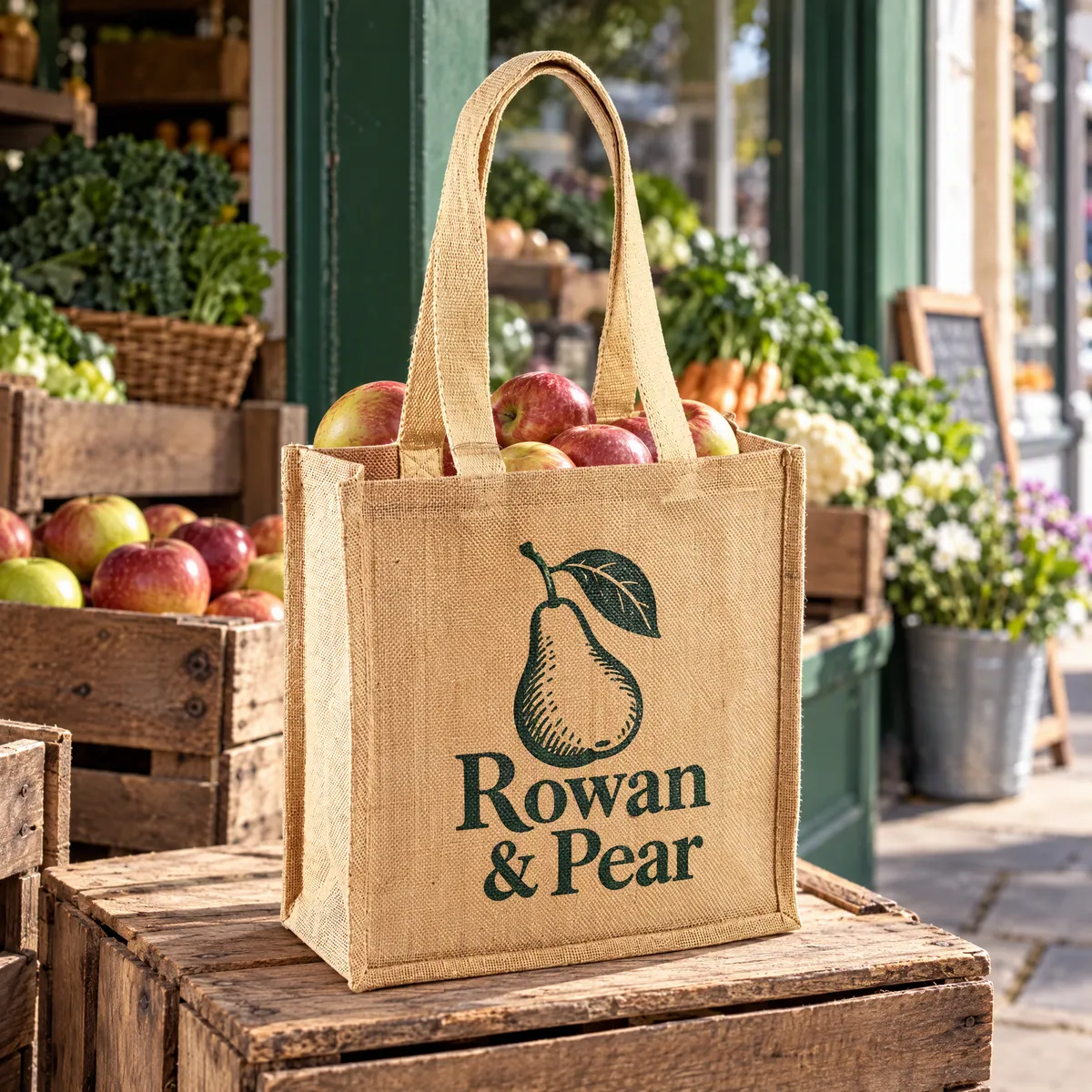
Jute is a fast-growing plant fibre that makes a tough, stiff bag which holds its shape for years. Most jute shopping bags, including most of ours, are laminated with a thin plastic lining. That helps them stand up and shrug off spills, but it makes them harder to recycle or compost at the end of their life. Our Unlaminated Jute Bag is 100% jute. Compare the fabrics in our cotton, jute and canvas guide.
Paper
A paper carrier bag needs about three uses to match a plastic one on climate impact, and plenty never get a second trip. Paper still suits shops well: it is widely recycled, looks smart, and a strong bag with good handles often does get reused. See our printed paper bags.
How to give a bag people keep
A bag that gets used for years is better for the planet and better for your brand, because it is seen every time.
- Choose a useful size. A bag that takes an A4 folder or a few bits of shopping gets carried; one that doesn't gets forgotten. Bag sizes explained
- Pick long handles if people will carry it over the shoulder, which is how most totes get used day to day.
- Go heavier where you can. A 200 to 280gsm bag feels like something to keep, not something to throw away.
- Design something people want to be seen with. A smaller logo or a good illustration beats a huge logo. Designing for a tote
- Order what you need. We have no fixed minimum, so there is no reason to print boxes of spares. Small runs
- Tell people how to look after it. Our wash and care guide includes a short care note you can copy.
Bags built to be kept
Heavier recycled and organic bags with room for real shopping. Prices are live and include printing.
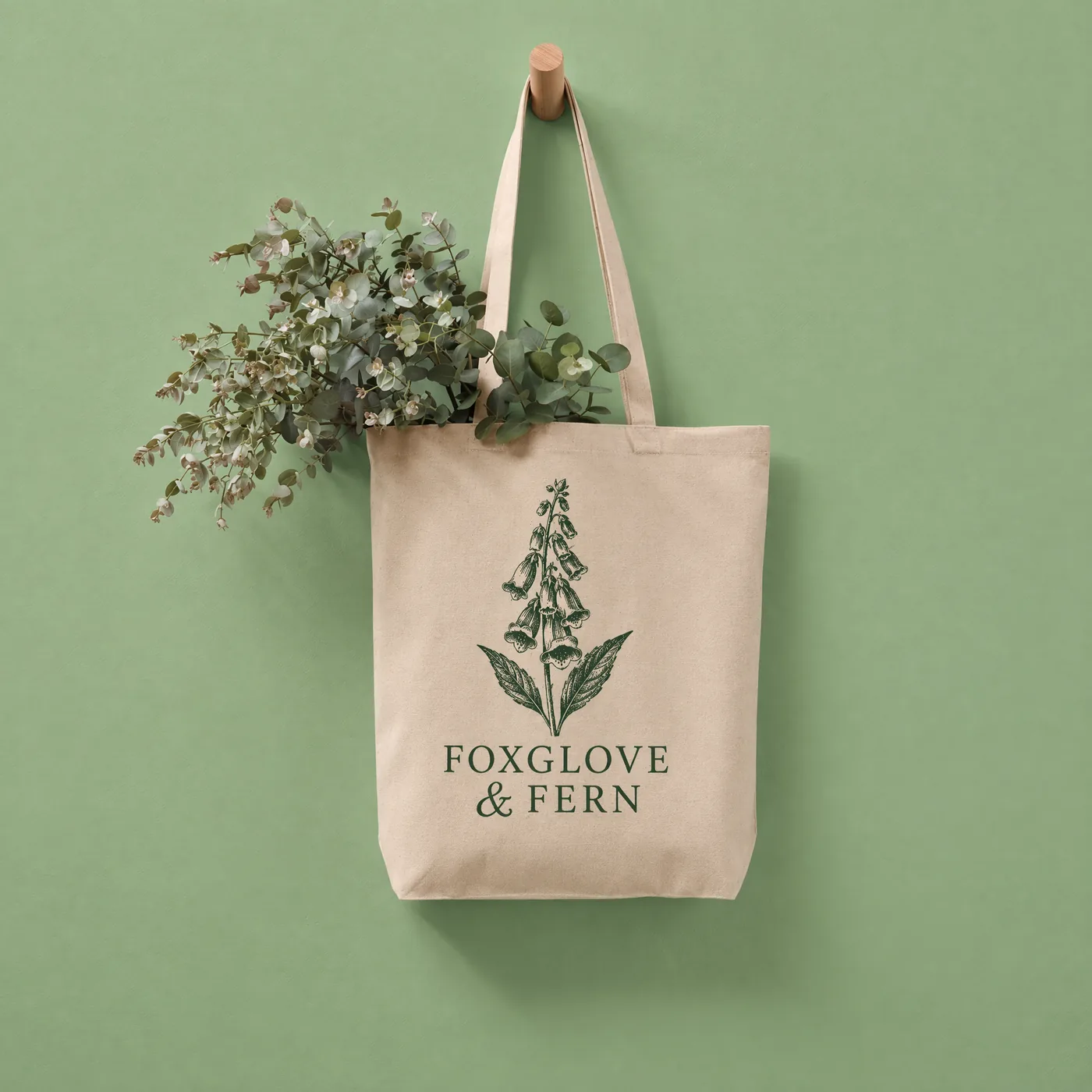
Recycled Canvas Tote Bag
Printed from £1.76 +VAT
Sample £1.05 +VAT
Available colours
BlackFrench Dark NavyNaturalWhiteSandRose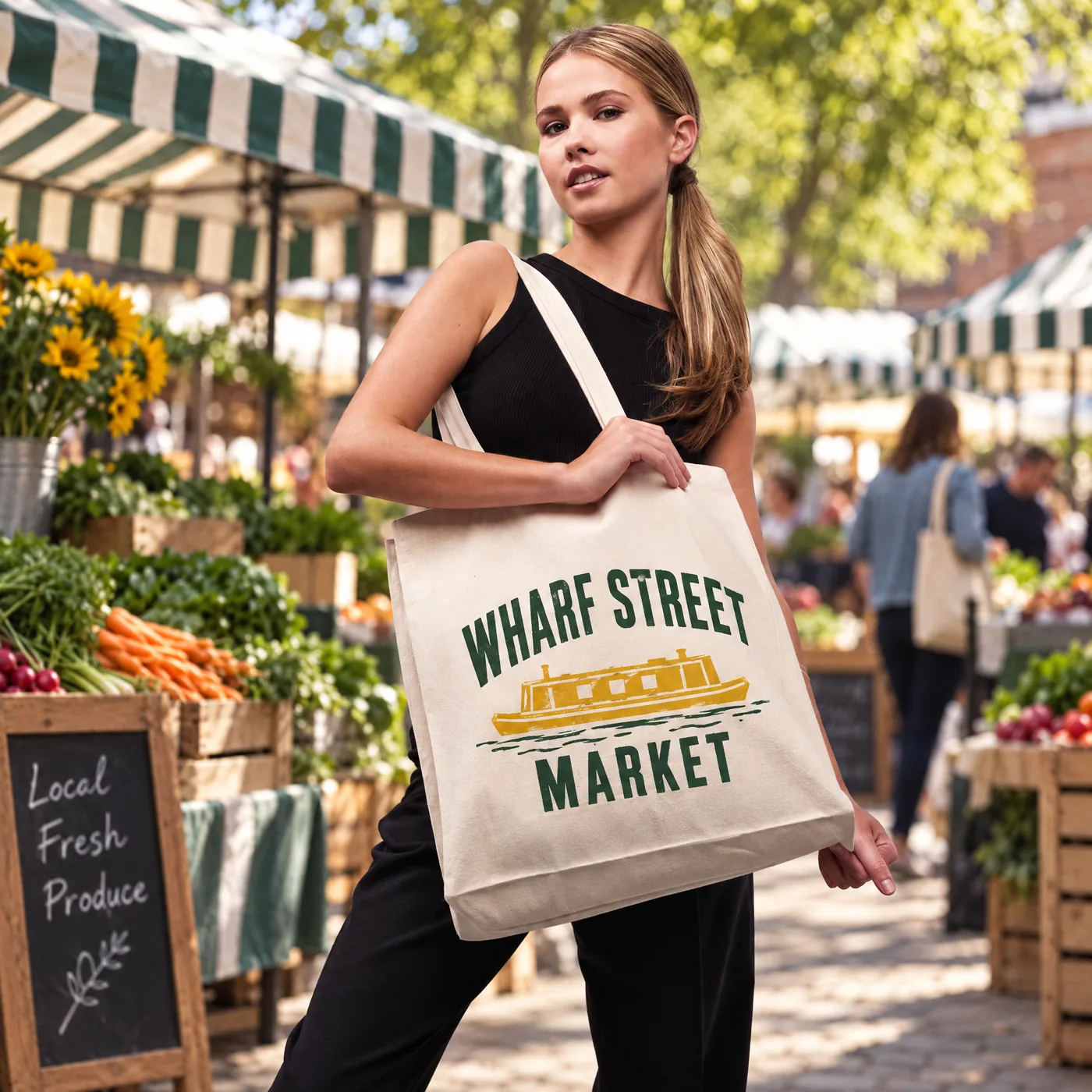
Premium Recycled Canvas Tote Bag
Printed from £2.12 +VAT
Sample £1.35 +VAT
Available colours
BlackBottle GreenFrench Dark NavyNaturalOxford NavyOrangeplus 10 more colours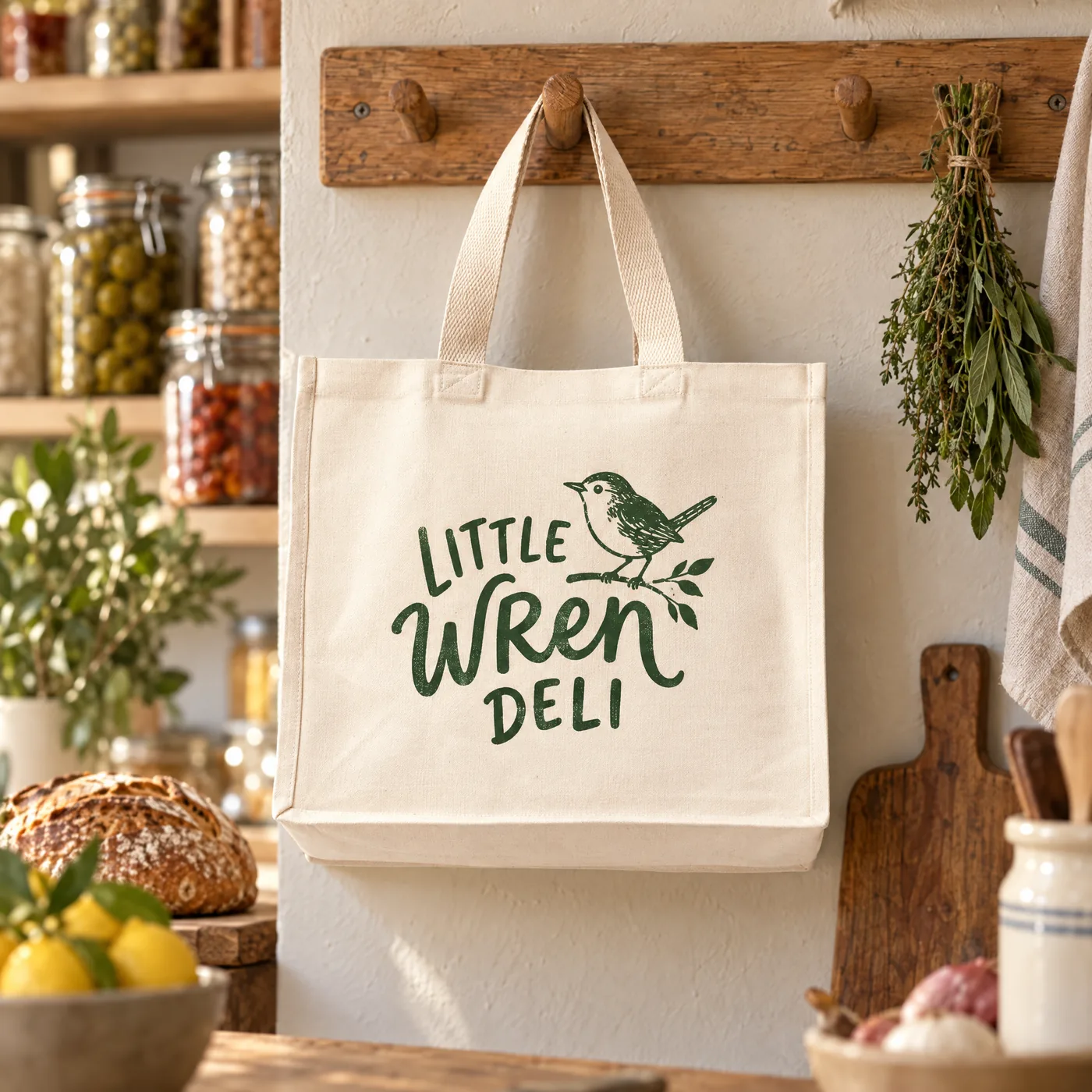
Premium Recycled Canvas Stand Up Tote
Printed from £1.93 +VAT
Sample £2.19 +VAT
Available colours
BlackNatural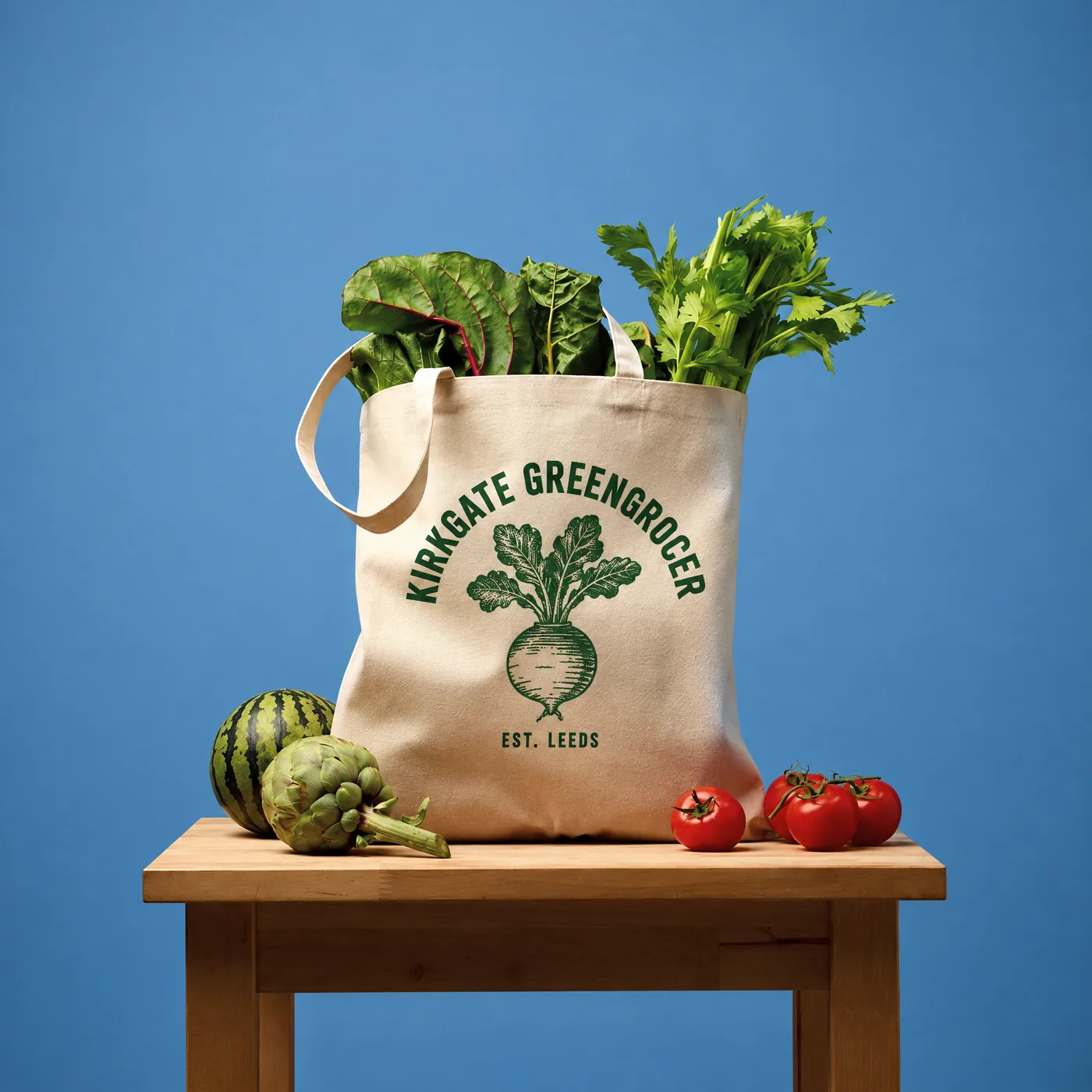
Premium Recycled Cotton Tote Bag
Printed from £1.64 +VAT
Sample £0.95 +VAT
Available colours
BlackNatural
Premium Organic Canvas Tote Bag
Printed from £2.84 +VAT
Sample £2.95 +VAT
Available colours
BlackNatural
Premium Organic Cotton Tote Bag
Printed from £2.55 +VAT
Sample £1.71 +VAT
Available colours
BlackNaturalWhiteBright RoyalClassic RedFrench Navyplus 2 more colours
Questions people ask
Are cotton tote bags better than plastic bags?
Only if they are used many times. The Environment Agency found a cotton bag needs 131 uses to match a single-use plastic carrier on climate impact. A tote used a couple of times a week gets there in a little over a year, and plastic carrier bags have their own cost as litter.
How many times do you need to use a cotton bag?
For climate impact alone, 131 times, according to the Environment Agency (2011), or 327 times if the plastic bag it replaces would have been reused as a bin liner. The Danish EPA (2018) put it at about 7,100 uses to match a plastic bag on every environmental measure at once.
Are paper bags better than plastic?
A paper carrier bag needs about three uses to match a single-use plastic bag on climate impact (Environment Agency, 2011). Paper is widely recycled and doesn't linger as litter the way plastic does, so a strong paper bag that gets reused a few times is a good choice for a shop.
Is jute eco-friendly?
Jute is a fast-growing natural fibre and makes a very durable bag. Most jute bags are laminated with a thin plastic lining, which makes them harder to recycle or compost. Choose an unlaminated jute bag if that matters to you.
Are recycled cotton bags better?
Recycled cotton reuses fibre that already exists, so it avoids growing new cotton. The bag still needs to be used many times to pay back its footprint, so choose a size and weight people will keep.
Are tote bags bad for the environment?
A tote that is rarely used is worse than it looks, because making cotton fabric has a real footprint. A tote that is used for years is a good swap for single-use bags. The difference is whether people keep using it.
Choosing bags that will be used?
Tell us who the bags are for and how they'll be used, and we'll suggest the bag most likely to be kept.