


Opinion
Ten years of the carrier bag charge: what it changed
The carrier bag charge arrived in England in 2015, and since then sales of single-use carrier bags at the main retailers have fallen by more than 97%, according to gov.uk. It has been 10p since May 2021. It changed what people carry, and it left an awkward question for anyone who makes the bags that replaced them.
5 min read · Updated 2 September 2026
The numbers
- The carrier bag charge in England since May 2021
- 10p
- gov.uk
- Fall in single-use bag sales at the main retailers since 2015
- 97%+
- gov.uk
- Uses a cotton bag needs to match a single-use plastic bag on climate impact
- 131
- Environment Agency, 2011
- Uses a paper bag needs to do the same
- 3
- Environment Agency, 2011
A small charge that changed a habit
It's easy to forget how normal it was to leave a supermarket with eight thin plastic bags and throw most of them away by the weekend. The charge didn't ban anything. It just made people stop for a second at the till, and that second was enough.
More than ten years on, the habits it created are everywhere. The bag folded in a coat pocket. The three in the car boot. The bag of bags under the kitchen sink. The cashier's "do you need a bag?" is now so routine that saying yes feels like a small admission of failure.
For us, the change showed up in a different way. A printed cotton bag used to be something you got at a conference. Now it's something people expect to be handed by a bookshop, a farm shop or a festival, and something shops sell at the till. The reusable bag stopped being a gesture and became ordinary.
The awkward bit for a bag printer
Here's the part we'd be dishonest to skip. A cotton bag is not automatically better for the planet than the plastic bag it replaced.
The Environment Agency's 2011 study worked out how many times each type of bag needs to be used to match the climate impact of a single-use plastic carrier used once. A paper bag needs 3 uses. A thick plastic bag for life needs 4. A woven polypropylene bag needs 11. A cotton bag needs 131, and that rises to 327 if the plastic bag would have been reused as a bin liner.
The Danish Environmental Protection Agency went further in 2018 and looked at every kind of environmental impact, not just climate. On that measure, a conventional cotton bag needs about 7,100 uses.
Cotton takes a lot of land, water and energy to grow and weave, so its case rests entirely on being used again and again. A cotton bag used a handful of times and then forgotten in a cupboard is worse than the plastic bag it was meant to replace. That's uncomfortable to write on a website that prints cotton bags, but it's true, and it shapes the advice we give.
How long until a bag pays back?
Choose a bag and how often it gets used, and see how long it takes to match a single-use plastic bag. Based on the Environment Agency's 2011 figures.
Break-even
15 months
Each dot is 2 uses.
Cotton takes the most energy to make, so its case rests on being used for years. A bag people like enough to keep does that.
Source: Environment Agency, Life cycle assessment of supermarket carrier bags (2011). Uses needed to match the climate impact of a standard single-use carrier bag used once. The study looked at climate impact; other measures such as water use give different figures.
So what makes a bag get used 131 times?
If the whole point is reuse, then the job of anyone ordering printed bags is to order bags people keep. From the print works, that comes down to a few plain things.
- It's big enough for a real shop. A 38 x 42 cm bag takes a decent load of groceries. A tiny bag gets used for a tiny job, once.
- It has long handles. A bag that goes over the shoulder gets carried; a bag you have to hold in your hand gets left behind.
- It's sturdy enough to last. A heavier canvas, around 270 to 280gsm, keeps its shape and survives years of shopping. Our guide to gsm explains the weights.
- The design is something people like. A giant logo is an advert; a good drawing, a bit of wit or a local landmark is a bag. People reuse bags they like being seen with.
- It isn't one of thirty. A bag handed to everyone who walks past ends up in the bag of bags. A bag given with a bit of thought ends up on someone's shoulder.
Recycled cotton helps too, because it reuses fibre that has already been grown. Most of our recycled bags are made from GRS-certified recycled cotton, and the are tote bags sustainable? guide covers the wider picture.
Bags built to be reused
Heavy recycled cotton canvas that carries over the shoulder and holds a proper shop: the sort of bag that makes it to 131 uses.
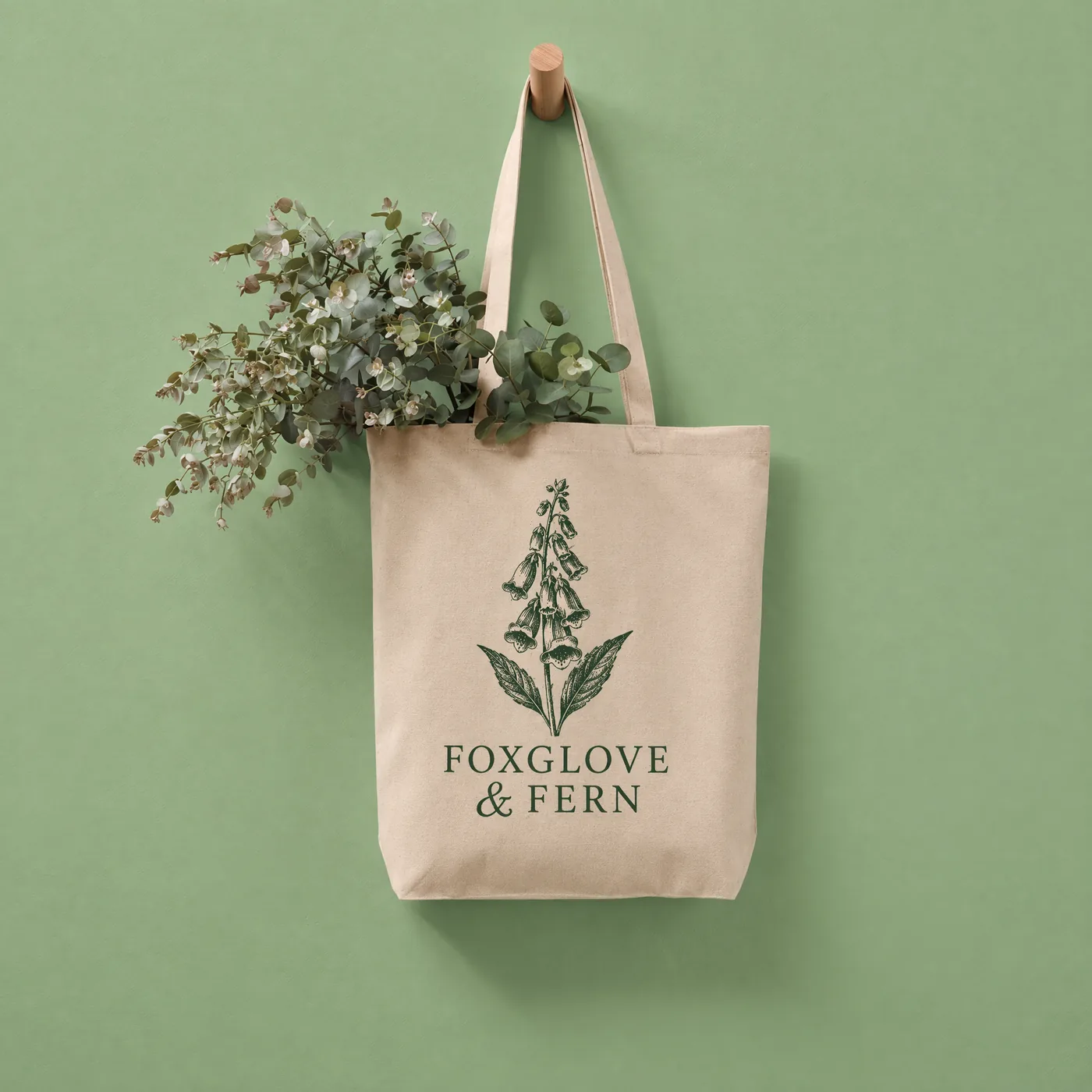
Recycled Canvas Tote Bag
Printed from £1.76 +VAT
Sample £1.05 +VAT
Available colours
BlackFrench Dark NavyNaturalWhiteSandRose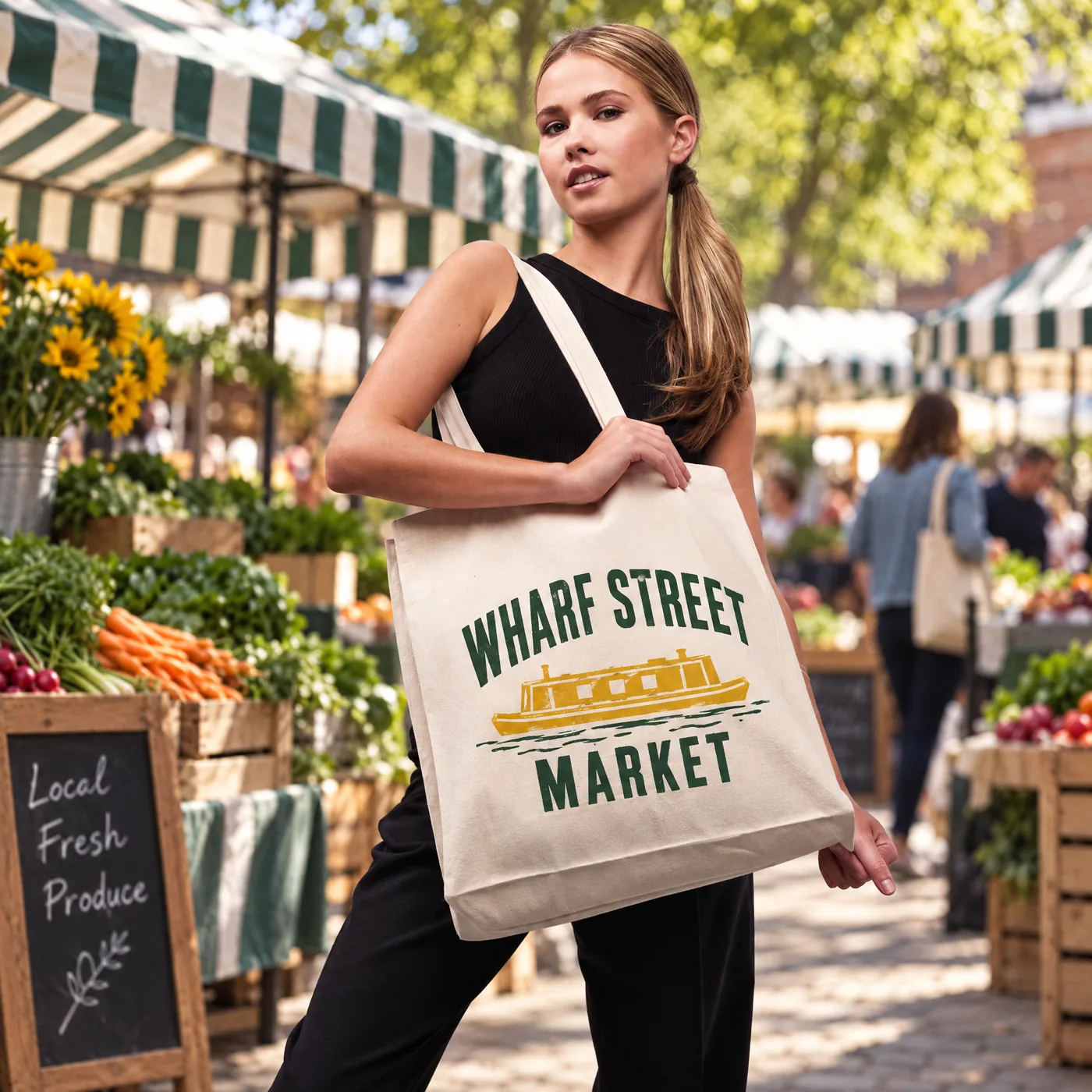
Premium Recycled Canvas Tote Bag
Printed from £2.12 +VAT
Sample £1.35 +VAT
Available colours
BlackBottle GreenFrench Dark NavyNaturalOxford NavyOrangeplus 10 more colours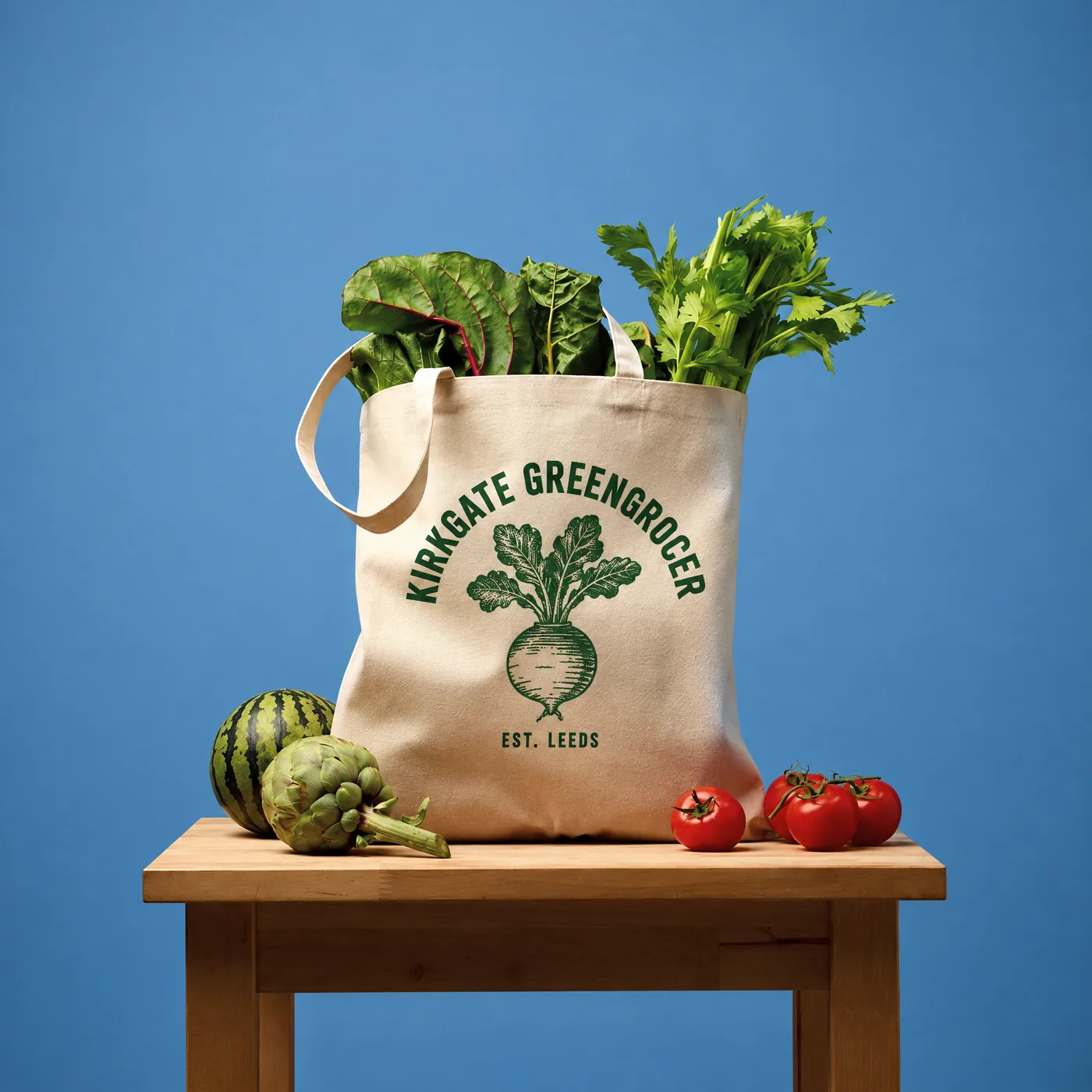
Premium Recycled Cotton Tote Bag
Printed from £1.64 +VAT
Sample £0.95 +VAT
Available colours
BlackNatural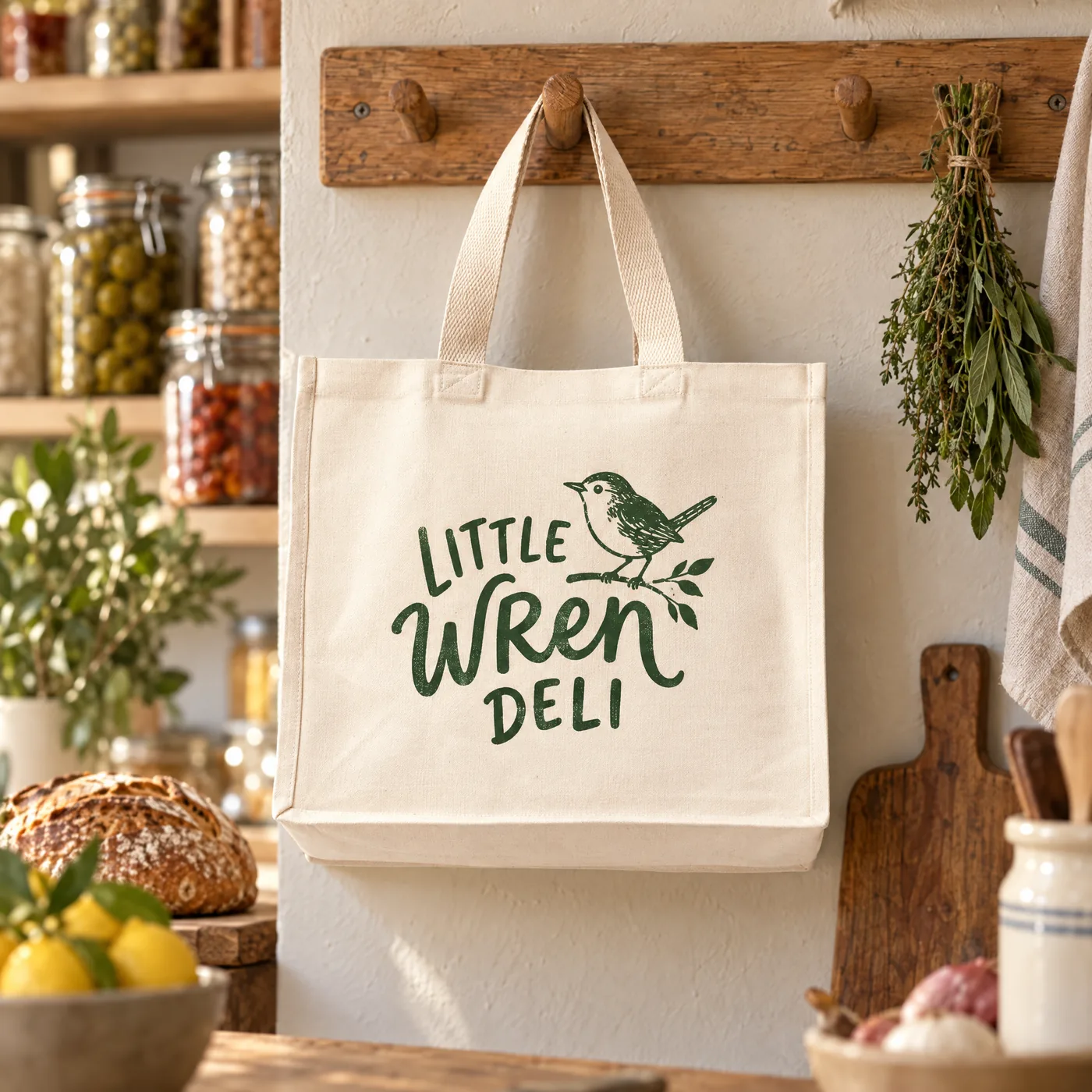
Premium Recycled Canvas Stand Up Tote
Printed from £1.93 +VAT
Sample £2.19 +VAT
Available colours
BlackNatural
If you run a shop
Ten years in, customers expect to be asked whether they need a bag, and plenty expect to pay for one. That's an opportunity as much as a rule. A well-made printed bag sold at the till, rather than a flimsy one given away, is a bag your customers will carry round town with your name on it for years.
For boutiques and gift shops, a good paper bag still has a place: it feels like part of the purchase. We print logo paper bags in several styles, quoted by hand. Our pages on retail shopping bags and printed carrier bags go through the options.
The rules on charging aren't the same everywhere. England, Scotland, Wales and Northern Ireland each have their own carrier bag charge, so check the current rules for your nation before you set a price at the till. The official guidance for England is on gov.uk, and our carrier bag charge guide explains the basics.
Questions people ask
When did the carrier bag charge start in England?
In 2015. Since then, sales of single-use carrier bags at the main retailers have fallen by more than 97%, according to gov.uk.
How much is the carrier bag charge?
In England it has been 10p since May 2021. Scotland, Wales and Northern Ireland have their own charges, so check the current rules for your nation.
Is a cotton tote bag better than a plastic bag?
Only if it is used many times. The Environment Agency (2011) found a cotton bag needs 131 uses to match the climate impact of a single-use plastic bag used once. The Danish EPA (2018) put it at about 7,100 uses across all environmental impacts.
How many times do you need to use a tote bag?
At least 131 times to match a single-use plastic bag on climate impact, on the Environment Agency's 2011 figures. Heavier, well-made bags with long handles are the ones that reach it.
Are paper bags better than plastic?
A paper bag needs about 3 uses to match a single-use plastic bag on climate impact, according to the Environment Agency (2011). Many paper bags are only used once, so a sturdy paper bag that gets reused makes the most sense.
Want bags people keep?
Tell us what the bags are for and we'll suggest one that will be used for years, not once.